
About COMMON CAUSE UK
Socio-Economic Platform of Congolese Women/ Francophone Africans in the UK
We are a small platform of Diaspora Congolese and Francophone migrants-refugee women in the UK. We provide support to women affected by various forms of violence and for their integration in the UK. We have our HQ in London. We have branches in other parts of the UK such as Bradford, Manchester ect.
We support Francophone Black/Minority Women and survivors of GBV/ GBSV, listen to women, offer translation for referral, organize trainings/ workshops or events, and gather voices/ break the silence on VAW- patriarchal traditional or religious norms. We liaise/campaign with other NGOs in the UK- EU –DRC and Worldwide, raising the voices of Congolese women at the international level.
We organise Trainings and workshops in addressing & ending violence against women and girls in UK and DRC and support Projects to economically and intellectually empower women/Girls in the DRCongo.
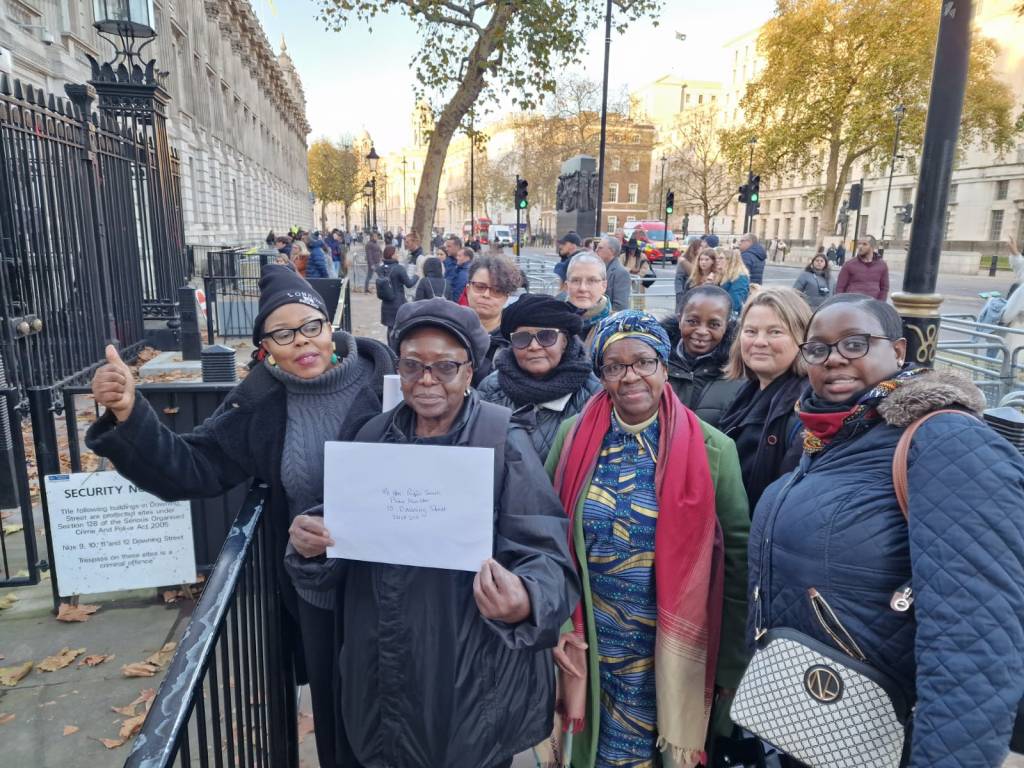
COMMON CAUSE UK Board of Directors
Executive committee
Chair
Maguy Kodi
(London Branch)
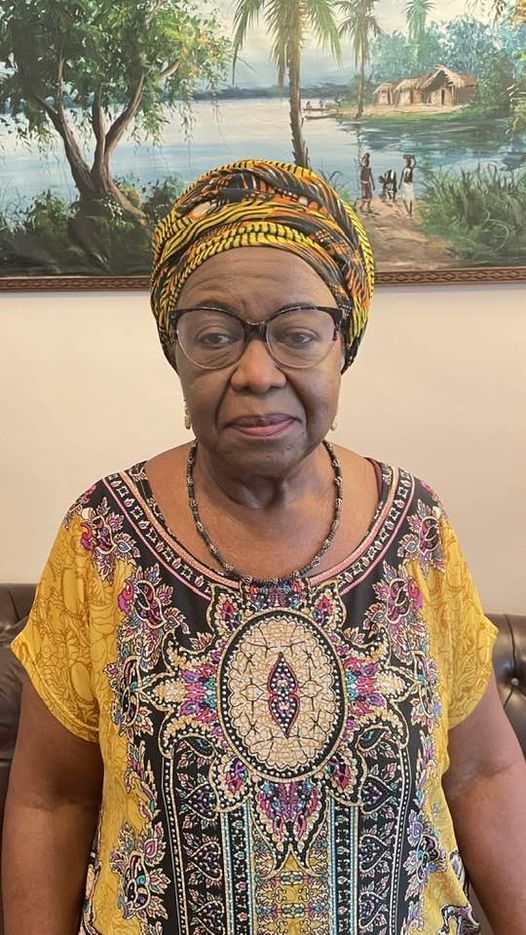
Vice Chair
Kongosi Onia Mussanzi
(Bradford Branch)
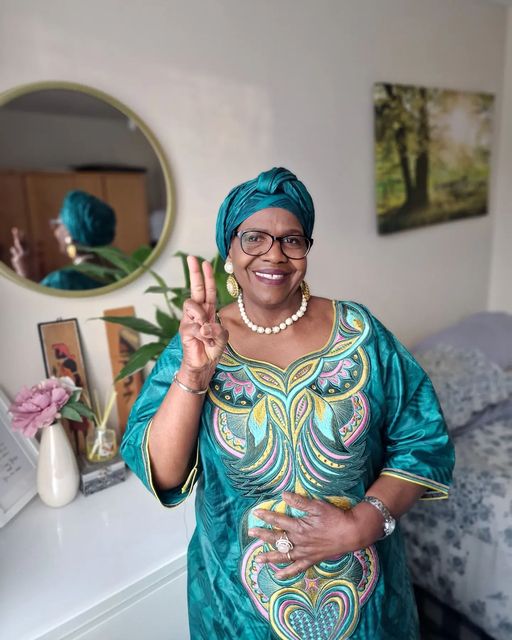
Treasurers
Marie-Louise Pambu
(London Branch)
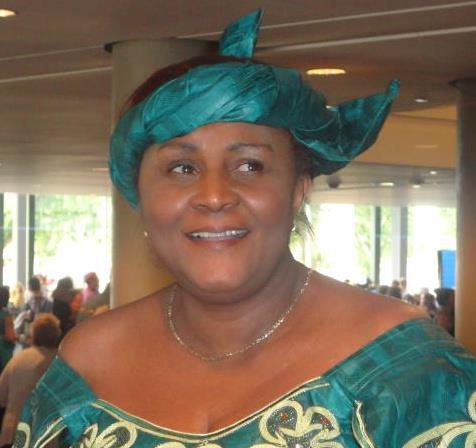
Secretary and Spoke Person
Marie-Claire Faray
(London and DRC Branch)
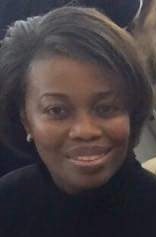
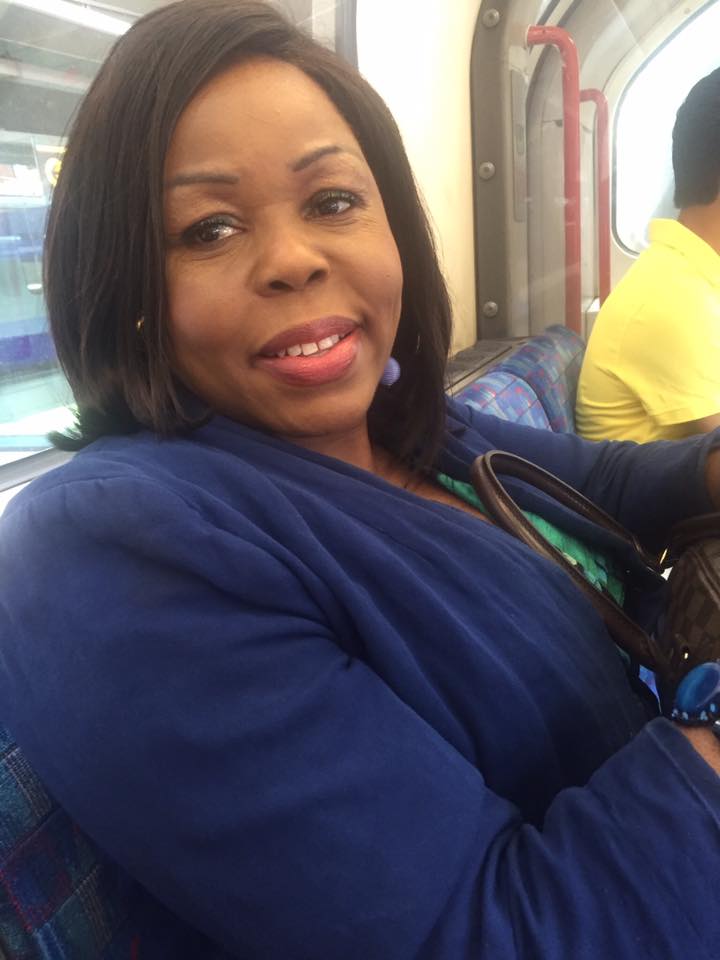
Liliane Kiboba Kipulu
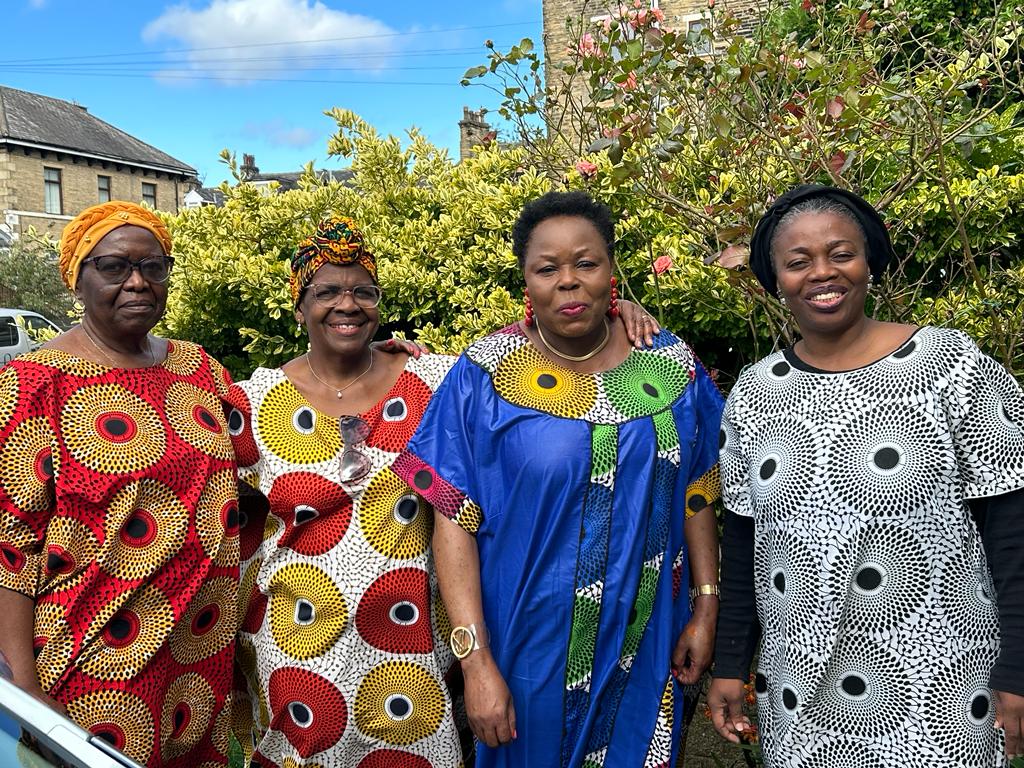
COMMON CAUSE UK- Board
COMMON CAUSE UK was establishes in 2006 by Migrants and Refugee Congolese Women.
Most of our members have always wanted to start a Centre for Women either in the UK/DRC.
We had our dropping Centre in East London that operated from the Froud Cenmter in Newham from 2009-2016.
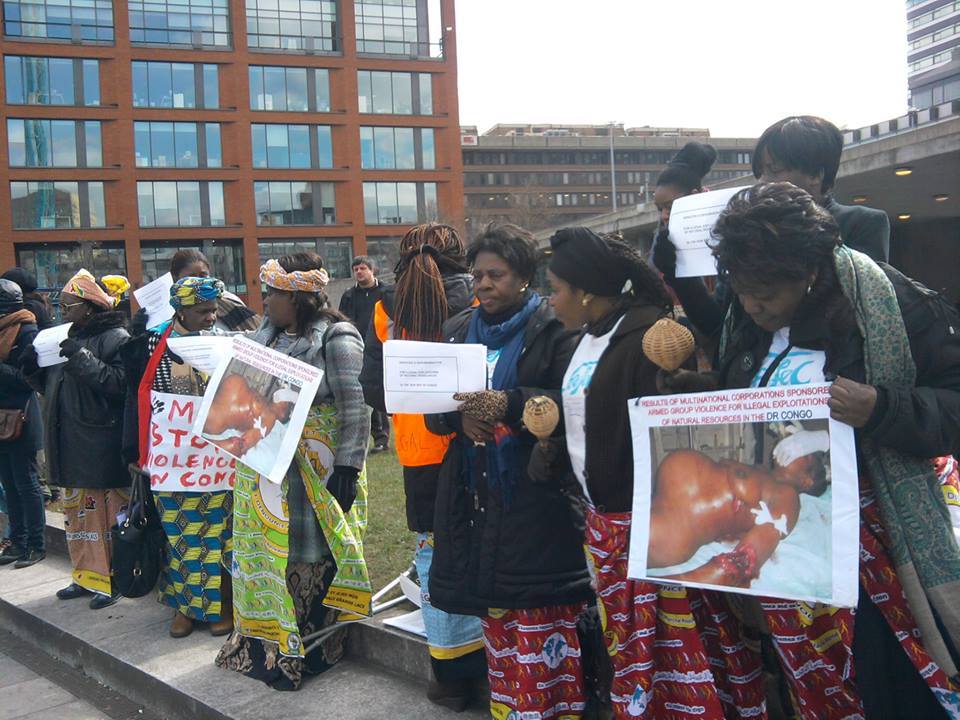
Following the Adoption of UNSCR 1325 (2000); through the WILPF Peace women Project, UK based Diaspora Congolese women (members of COMMON CAUSE UK) joined UK section of WILPF in 2005 and from then were able in collaboration with IANSA) to report and raise the voices of Congolese Women, at the international level in the UK at the UN (NY/Geneva/ UNODA – UNHRC) and EU as well in the Media; demonstrating the proportional link there is between the War , trade of arms, resources exploitations and increase sexual violence in the DRC since 1998. Following feasibility and field studies undertaken in the DRC, in 2006, UK based Diaspora Congolese women (CCUK) lobbied WILPF international with the support of WILPF UK, applied and managed to establishment of WILPF DRC group in 2007. Between 2008-2009 UK based Diaspora Congolese women (CCUK) members of UK WILPF and the WILPF DRC group undertook various local consultations and researches, then produced a report on Gender Equality and Social Institutions in the DRCongo (published in May 2010) by the OECD Gender Index and WILPF Peacewomen Project. In collaboration with the UK Gender Action For Peace and Security (GAPS UK); UK based Diaspora Congolese women (CCUK) members of UK WILPF and the WILPF DRC group produced the DRC Chapter of the UK GAPS Global Monitoring checklist-(on UNSC RES 1325) presented at the UK All Party Parliamentary Group on Women, Peace and Security (APPG-WPS) and the UK government which lead to the funding for the development of the DRC National Action Plan on UNSCR1325 in 2010. Solidarity Mission in the DRC2010 with CCUK /BRC&SASS/ MWR. VoAW Conference / Campaign.
COMMON CAUSE UK Members lead the 2010-2020 Launch and Road Map African Women Decade (2010-2020) in the UK with WILPF, promoting the Maputo Protocol, Decade / 17 ODD and 2030/2060 Agendas
A CSW54 side event single handily organised financed by diaspora Congolese Women members of UKWILPF , in 2010; which subsequently became a WILPF DRC section in 2011. Promote the he DRC Mapping Report 2010.
By following all DRC CEDAW Reporting 2006-2019), the progress in the development of the DRC Action Plan on UNSCR1325 (2010-2019). The Democratic Republic of the Congo (DRC) adopted its most recent National Action Plan (NAP) in 2018 for the period 2019-2022. The DRC’s second NAP provides a detailed overview that evaluates the implementation of the first NAP, addressing positive developments and ongoing challenges. The Government of the DRC bases its’ peace building work on the National Action Plan for the UNSCR 1325.
Before returning to the DRC in November 2016 after living for 25 years in London, Marie Claire Faray organised important Women Peace and Security Seminars on the DRC in SOAS and LSE, University of London.
Although the Resolution 1325 encourages member states of the United Nations to adopt policies and programmes on gender equality in peace, security and development processes and the fact that the Resolution constitutes a legal and political instrument aimed at combating all forms of gender-based discrimination; however many shortfalls remain , particularly with regard to the DRC (Participation, Protection V Prevention and Recovery)
Services we offer in the UK
DR Congo Centre For Women, Peace and Security
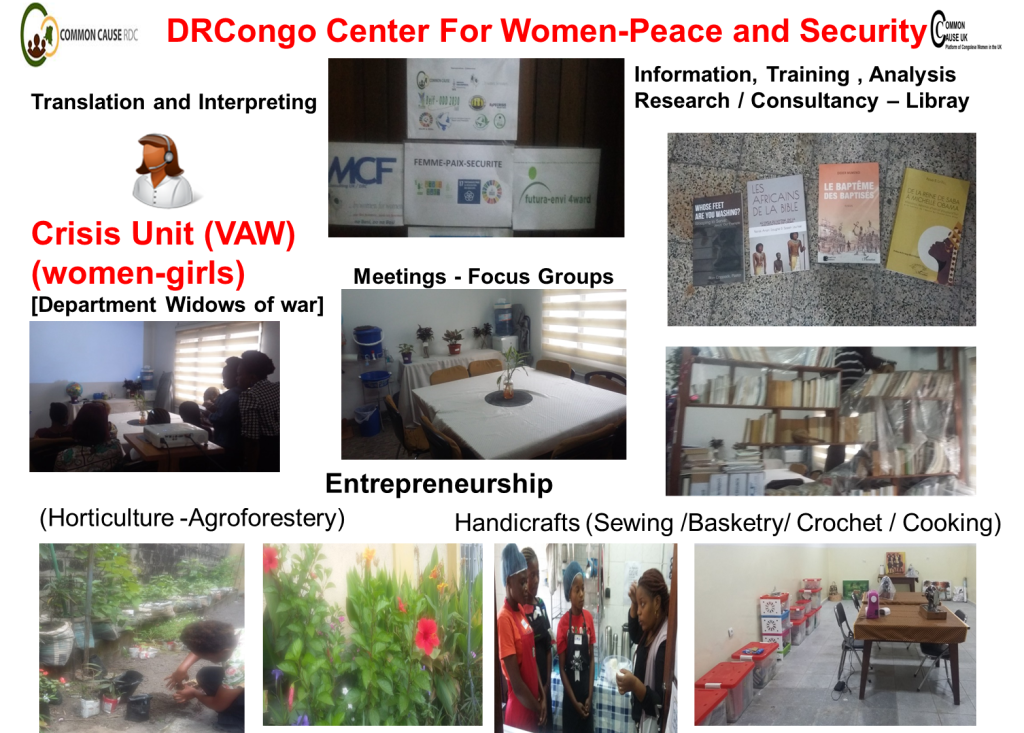
Translation and Interpreting
Information and Training
Entrepreneurship
Crisis Unit
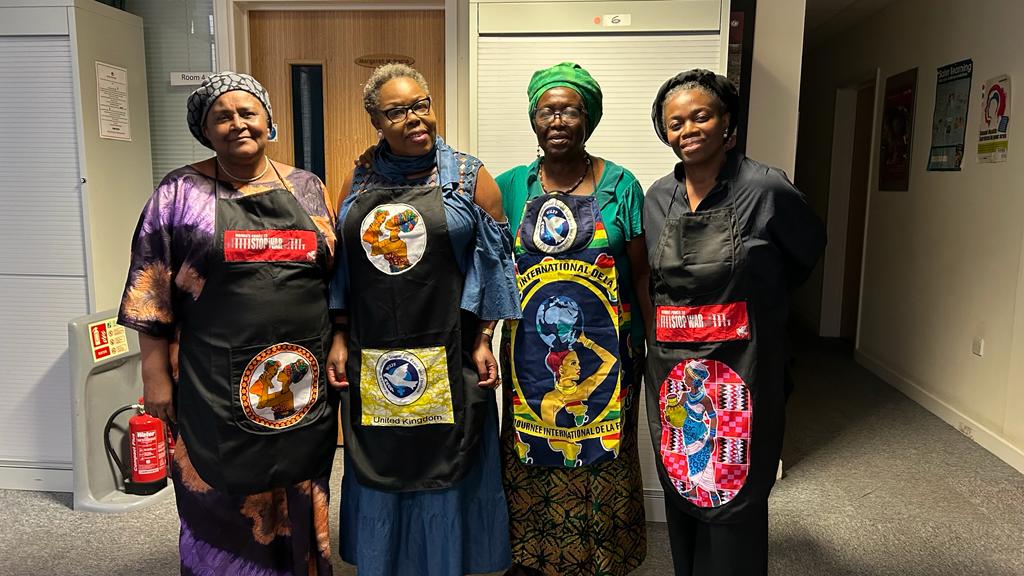
Here’s what we have been up to
 COMMON CAUSE UK